
Staying competitive means embracing new technologies, and AI is leading the charge. It’s transforming how stores connect with their customers and manage their day-to-day activities. Retail AI offers many opportunities to improve efficiency and make shoppers happier, and the Retail AI 360 report digs into these changes. Let’s take a closer look at this Ultimate Guide to Retail AI and what it means as we cover some key takeaways from Retail AI 360, so you can see how it might help your business thrive.
Understanding Retail AI

Retail AI is reshaping the industry day by day. But what does it mean, and how does it help?
What is Retail AI?
At its core, Retail AI is about using tech like machine learning and natural language processing to make different parts of retail work better. These tools let retailers quickly analyse massive amounts of data, helping them offer more personalised customer experiences and make better business decisions. With items such as AI-powered chatbots and recommendation engines, businesses can predict what customers want and adjust their offerings accordingly.
Vital Benefits of Retail AI
Retail AI comes with a bunch of benefits that can seriously transform how a retailer operates:
- Better Customer Experience: With AI, retailers can offer personalised shopping that fits each customer’s needs.
- Improved Efficiency: AI automates mundane tasks, making things like inventory management and forecasting a lot faster.
- Cost Savings: Automation means fewer manual processes, which cuts costs and boosts profits.
- Smarter Decisions: AI gives retailers helpful insights from data, leading to better business strategies. Explore AI benefits in retail
Insights from Retail AI 360

Retail AI 360 highlights some exciting trends and successful examples of AI in action.
Current Trends in Retail AI
According to the report, there are a few major trends shaping how AI is being used in retail:
- Omnichannel Integration: AI helps create a smooth experience across both physical stores and online channels.
- Predictive Analytics: Retailers are using AI to foresee future trends and customer behavior so they can adjust their strategies.
- Sustainability Efforts: AI helps companies develop sustainable practices by optimising supply chains and cutting down on waste.
Case Studies and Real-world Applications
The report also covers some real-world success stories. For example, one big clothing brand used AI to fine-tune its inventory, which helped cut down on overstock and improved cash flow. Another case involved a supermarket chain using AI chatbots to boost customer service, leading to higher satisfaction scores. These stories show how AI can deliver accurate results.
Challenges and Considerations
Even with all the exciting possibilities that AI brings to retail, it’s not without its challenges. Retailers need to be aware of potential hurdles that could impact their operations. While the benefits of AI are clear—improved efficiency, better customer experiences, and smarter decision-making—addressing these challenges head-on is crucial to ensure a smooth transition and ongoing success.
Data Privacy and Ethics
A major concern with AI in retail is the issue of data privacy. AI systems often need to process vast amounts of personal information, such as customer preferences, shopping habits, and even location data. This raises questions about how data is collected, stored, and used. Retailers have to be extremely cautious about protecting this information. If customers feel their data is being mishandled, it could lead to a significant loss of trust and harm the brand’s reputation. Retailers need to comply with regulations like the GDPR (General Data Protection Regulation) and other privacy laws to make sure they’re keeping customer information safe and using it responsibly. Transparency is key here, and retailers need to be upfront with their customers about how their data is being used.
Integration with Existing Systems
Another challenge lies in integrating AI with older, existing systems. Many retailers have long-standing infrastructure in place, and introducing AI into these systems isn’t always a plug-and-play situation. It requires careful planning, strategic upgrades, and sometimes a complete overhaul of legacy systems. If not done properly, the AI tools might not work seamlessly, leading to inefficiencies or even disruptions in daily operations. Retailers need to ensure that the new AI technologies can communicate effectively with current systems like inventory management, point-of-sale (POS) systems, and customer relationship management (CRM) software. This process requires investment, time, and sometimes the involvement of technical experts to make sure everything fits together smoothly.
Future of Retail AI
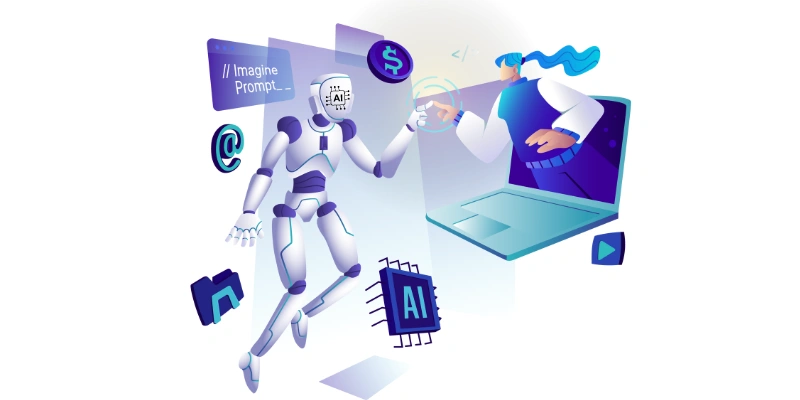
Pacing forward, the future of retail AI holds incredible promise. Retailers are already beginning to scratch the surface of what’s possible, but there’s much more on the horizon. As technology continues to evolve, AI is expected to play an even bigger role in shaping the retail experience, both online and in stores.
Emerging Technologies
One of the most exciting advancements is the rise of emerging technologies like generative AI. This type of AI goes beyond simply analysing data; it can create new content, such as personalised marketing messages, product descriptions, and even unique customer experiences. For instance, generative AI can recommend products in a way that feels more tailored and engaging, based on a customer’s browsing history or previous purchases. It can also help retailers create more relevant advertisements and campaigns, which can lead to higher customer engagement and sales.
In the future, we might see AI driving everything from fully automated customer service interactions to hyper-personalised shopping experiences where AI curates entire product lines based on individual preferences. As retailers continue to explore these technologies, the potential to revolutionise the industry is huge—making shopping more efficient, personal, and enjoyable for customers.
Predictions for the Industry
Recap on the Ultimate Guide to Retail AI
Retail AI is no longer a distant concept – it is here and it is revolutionising the retail industry. The benefits are significant, from enhancing customer interactions to improving operational efficiency. However, retailers must effectively address challenges such as privacy and system integration. As demonstrated by Retail AI 360, businesses that embrace these technologies now will emerge as industry leaders, establishing new benchmarks in customer service and efficiency.